Acupuncture for Animals
Table of Contents
Case Histories (various therapies)
Equine Acupuncture – Canine Acupuncture – Feline Acupuncture
History
 Acupuncture, whether equine acupuncture, canine acupuncture or human acupuncture, as part of Traditional Chinese Medicine (TCM), owes its origins to the Ancient Chinese, dating from anything up to 4,000 years ago. The oldest medical text book we know is the Huang-ti Nei-jing Su-wen, which describes the philosophy and rationale in ‘question-and-answer' form. Modern observers might see this treatise as a model for holistic medicine as we understand it today.
Traditional Chinese Medicine (TCM) advocates the use of herbs, chiropractic manipulation, nutritional input (i.e. diet) and lifestyle modification, as essential companions to acupuncture. This may explain some of the failures of the modern application of veterinary acupuncture that is commonly performed by needling alone in a ‘non-holistic' and strictly reductionist ‘Western’ way. It is (or should be) a truly holistic therapy. See also: Moxibustion.

The theory behind acupuncture (and veterinary acupuncture) is rooted in Taoist and yin-yang culture, although some modern practitioners shun these traditional roots. As we understand the Ancient Chinese model, energy, composed of a balance between yin and yang, is perceived to flow through the body in meridians or channels (acupuncture meridians). These channels are related to the internal organs and disease can reach those organs via their respective meridian. Imbalances between yin and yang, or interruptions or disturbances in the flow of energy (‘Qi’), will also give rise to disease, according to the model that is central to TCM. The principles are the same for vet acupuncture.
N.B.: At the AVMC, while deeply respecting the holistic principles behind TCM when using veterinary acupuncture, we do not slavishly follow rules and do not use or promote methods that may be of questionable animal welfare or ‘conservation' impact. ‘Orthodox' Traditional Chinese Medicine (TCM) can include such ‘remedies' as tiger penis, bear gall-bladder, rhinoceros horn, some threatened plant species etc. The acupuncture vet at the AVMC does not use such remedies and cannot support their use.
See also: Wild Tigers
Animal Acupuncture

There are very early records of the use of veterinary acupuncture (acupuncture in animals), but ‘acupuncture charts' are still being devised for the main domestic animal species. This means that the route and position of many of the ‘acupuncture meridians' and ‘acupuncture points' in animals, so well-mapped for humans, are a matter of ongoing debate in veterinary acupuncturist circles.
Veterinary acupuncture may be carefully integrated with homeopathy and other therapies, provided certain aspects are carefully considered and observed. Christopher D, acupuncture vet, homeopathic vet and holistic vet, has lectured and written on the subject of the careful integration of these two therapies, for health benefits. He is one of a growing number of acupuncture vets serving the animal community (Integrated Medicine).
N.B.: Acupuncture for animals must be performed by an acupuncture vet. It is illegal (Veterinary Surgeons Act) for a non-vet to provide this treatment and the RCVS has communicated to us on several occasions that it is also illegal for a veterinary nurse to perform it, whether or not under veterinary supervision.
Practical Application
“Tess initially seemed worse, then rapidly better over the weekend – now it is difficult to discern any limp at all – we’re obviously pleased with progress.”
(Tess was a 12½ year-old Border Collie with shoulder lameness of 2 months standing; this report was after 12 days).
Acupuncture horses, Acupuncture dogs, Acupuncture cats
 Veterinary acupuncture, properly applied, is a deeply holistic therapy and uses needling (or one of several other methods – e.g. electrical stimulation (electro-acupuncture), LASER (Acupuncture-by-LASER, cold LASER) and moxibustion) for stimulation of certain ‘points' along the meridians. These points are called ‘acupuncture points'. The acupuncture points to be treated, in a given patient, may be located far from the perceived focus of trouble. Aquapuncture involves the injection of water, to relieve pain etc. At the AVMC, we also inject vitamins into acupuncture points and have applied the injection of homeopathic medicines into acupuncture points (the specific remedies must be chosen to integrate carefully with the acupuncture treatment, to avoid clashes).
Electroacupuncture or Electro-acupuncture
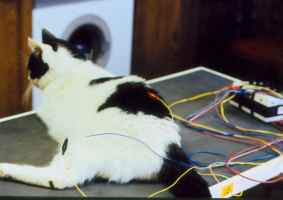
Acupuncture point stimulation using electrical impulses is a method employed by vet acupuncturists to increase the stimulus applied to acupuncture points. This method is generally very well accepted by all the species treated. As can be seen in the pictures, the horse and cat are making no attempt to avoid treatment.
There is evidence* that such treatment, especially in the case of intervertebral disc disease (IVDD), may stimulate stem cell activity to improve and hasten healing. There may be a cross-over here, between Acupuncture and Stem Cell Therapy, possibly making the invasive intervention of Stem Cell Therapy more of a distant option. See also: LASER Therapy. We certainly don't advocate surgery (fenestration) for paralysed dogs with disc prolapse, as they usually seem to recover remarkably well under acupuncture and integrative natural medicine and it has to be said that results of treating post-surgical patients have not been so good.

Veterinary Acupuncture in action
The AVMC offers canine acupuncture (dog acupuncture), equine acupuncture (horse acupuncture – pony acupuncture) and feline acupuncture (cat acupuncture), although other species are treated, as required (e.g. donkeys, goats, rabbits). In individual animals, many chronic and refractory diseases can respond to acupuncture, where conventional medication may have failed. This applies whether acupuncture for dogs, acupuncture for cats, acupuncture for horses, acupuncture for ponies or for other species.
These are the conditions which are most often presented for acupuncture vet treatment, with a reasonable hope for success:
Equine Acupuncture
 Acupuncture for horses / Acupuncture for ponies: injuries, back problems, neck problems, neck problems, ARTHRITIS, WOBBLER SYNDROME, navicular syndrome, LAMENESS, laminitis, arthritis, kissing spines, DJD, OCD, spavin, BACK PAIN and stringhalt. We have found that ‘head shaking‘ (head-shaking or HEADSHAKING) cases can respond well and may require ‘top-ups' during the season. One of our greatest surprises was the apparent ability to control most cases of ‘periodic ophthalmia‘ (ERU, MOON BLINDNESS, recurrent ophthalmia, recurrent uveitis, moonblindness) – the typical response that is now expected with cases of moonblindness is that a current attack can usually be brought under control quite quickly (two or three sessions of horse acupuncture) while successive attacks, treated promptly, become less and less severe, then eventually cease in most cases. Because the horse is a ridden animal, neck pain and back pain are rife in this species. Acupuncture (used alongside chiropractic manipulation and sometimes LASER) can be greatly beneficial. Equine acupuncture (acupuncture for horses and acupuncture for ponies) is certainly particularly rewarding for practitioner (acupuncture vet) and horse ‘owner' alike. Acupuncture charts for horses [equine acupuncture charts] are, as yet, not universally agreed and we work to our own model at the AVMC. [horse acupuncture – equine acupuncture vet – equine veterinary acupuncturist]
The image shows a severe head shaker (headshaker) receiving acupuncture, a treatment which turned out to be successful.
Canine Acupuncture
 Acupuncture for dogs: injuries, ARTHRITIS, HIP DYSPLASIA, ELBOW DYSPLASIA, neck problems, BACK PROBLEMS, cervical spondylopathy, ruptured cruciate ligament (anterior cruciate ligament injury, CRUCIATE ligament damage, cranial cruciate ligament injury), SPONDYLOSIS, spondylopathy, spondylitis, lumbosacral disease (lumbo-sacral disease), OCD (osteochondritis dissecans), DJD (degenerative joint disease), limping, WOBBLER syndrome, LAMENESS, shaker syndrome, BACK PAIN, chorea, dry eye(keratoconjunctivitis sicca, keratitis sicca), horner's syndrome, neck pain, back pain, paralysis (including prolapsed disc disease – aka prolapsed intervertebral disc, PID, IVDD, intervertebral disc disease) and other painful conditions. Canine CDRM has shown great promise, particularly if the dog is over 9 years old at the outset, when the symptoms (signs) start, for which cases reasonable control can often be achieved by canine acupuncture. Cases of CANINE EPILEPSY can sometimes be helped by an acupuncture vet. Dog ARTHRITIS is a very common application of dog acupuncture, in which a good response has been seen in most cases, using a holistic and integrated therapeutic program. [dog acupuncture – canine acupuncture vet – canine vet acupuncturist]
Feline Acupuncture
Acupuncture for cats: injuries, ARTHRITIS, neck problems, BACK PROBLEMS, neck pain, back pain, PARALYSIS, ILIAC THROMBOSIS, BACK PAIN, LAMENESS and epilepsy are often presented for cat acupuncture. It is quite surprising how tolerant cats are of acupuncture needling, when they have a reputation for being so fastidious and often resistant to intervention. Cat arthritis is a common presentation for feline acupuncture, in which a good response has been seen in most cases, when acupuncture has been used holistically, alongside dietary and other programs, as part of an integrated veterinary care package. [cat acupuncture – feline acupuncture vet – feline vet acupuncturist]
Other more complex diseases may respond to holistically applied Chinese Medicine and Acupuncture, where simple ‘needling' may fail (see outcome study).
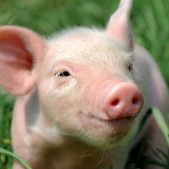
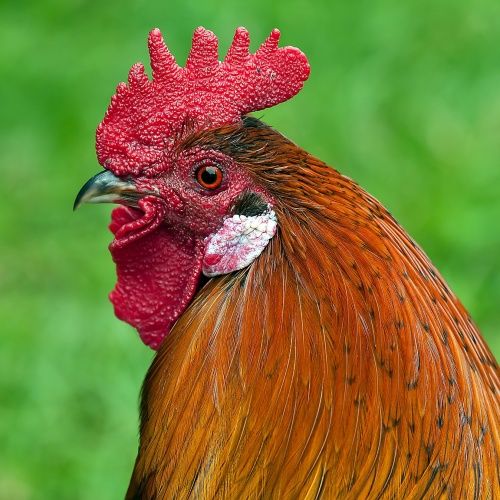
Species treated with acupuncture by the AVMC include: horses, ponies, mules, goats, donkeys, cats, dogs, cattle, pigs, sheep, llamas, alpacas, rabbits, ferrets, guinea pigs.
Pain control by acupuncture is now widely accepted as a valid procedure. Even the independent NHS watchdog, NICE (N.I.C.E. – National Institute for Health and Clinical Excellence), has recognised the potential benefit from acupuncture and manipulation in the relief of human back pain (as of May 2009 –http://www.timesonline.co.uk/tol/life_and_style/health/article63682).
 In successful cases, acupuncture appears to be able to act as an alternative to NSAID or painkilling drugs. Research has demonstrated several known mechanisms. Among these is the release of endogenous ‘opioids' (endorphins – distantly related to morphine), which serve to relieve pain and anxiety. This can explain some of the obvious pain-relieving and relaxation effects.
Veterinary Acupuncture can be a part of Integrated Pain Management. Ask your acupuncture vet about this aspect.
The deeper holistic effects of veterinary acupuncture and Chinese Medicine, in the treatment of complex disease, remain an enigma to modern reductionist medical minds. However, the lack of explanation of precise mechanisms does not seem to obstruct the popularity of the therapy, when modern medicine has failed.
Animals, whether horse, pony, donkey, goat, dog or cat, accept acupuncture very well, clearly perceiving that it is offered for their benefit. If they object or show marked fear, something is wrong with the technique used for that animal. They should happily present themselves for a repeat treatment, if not upset by the technique. They may show relaxed drowsiness during (and sometimes for one or two days after) treatment or they may become ‘activated’ or ‘energised’ soon after. We do not sedate patients for acupuncture, since we believe it will both alter their response and mask their reaction from us. We have found out, from experience, that if treatment has failed after three sessions to relieve the symptoms, acupuncture is probably not going to help that animal’s problem.
From hard experience, we have found that veterinary acupuncture will often fail, if not properly integrated with chiropractic manipulation work, in keeping with its holistic roots. This phenomenon is not difficult to reason, once discovered, since normal nerve function and energy communication can be seriously disrupted by vertebral and other misalignments and by the resulting muscle spasm, circulatory impairment and postural faults. In fact, the Ancient Chinese were using spinal manipulation in therapy, possibly from as early as 2700 BC! It is sad that this synergy is not more widely exploited and acupuncture vets would do well to expand their therapy to include this. It is also wrong, in our opinion, that this issue is not clearly aired in veterinary acupuncture training. At the AVMC, the acupuncture vet integrates these therapies in every case, in order to maximise healing benefit.
Although we specialize in alternative therapies, seeking alternatives to conventional drug therapy wherever possible, in our quest to stimulate the body's own healing capability, we do not shun conventional therapy, per se, considering its worth in each case. No truly holistic vet can ignore the existence of conventional drugs which, while quite unable to cure chronic disease, on rare occasions may be the only way to control distressing or painful symptoms. It is noteworthy how much the body can achieve without drugs, however. Our holistic and integrated service is offered in support of animal patients, ‘owners' and carers and the veterinary profession. We are always willing to assist vets in the UK and worldwide in providing integrated care for their patients, providing the natural therapy component of an integrated treatment program.
Janssen & Prins published a study in 1989, which seemed to highlight acupuncture as the ‘treatment of choice' for thoraco-lumbar disc disease (Journal of the American Animal Hospital Association (1989) 25, 169-174).
The story of Garrison Savannah often comes back to the forefront.
Species commonly presented for acupuncture: dog, cat, horse, pony, donkey and goat.
[/vc_column_text]
See also: Birds, Cage Mammals, Reptiles, Wild Animals






The Law and Veterinary Acupuncture
The Veterinary Surgeons Act 1966 restricts the treatment of animals (other than your own) with acupuncture, by anyone other than a fully qualified vet. Qualified acupuncturists who treat humans are not legally able to treat animals, unless they have a veterinary qualification (MRCVS).
N.B.: The RCVS has ruled that it is illegal for a non-vet to deliver horse acupuncture, dog acupuncture, cat acupuncture or for any other species of animal, even with veterinary permission or under veterinary supervision (Veterinary Surgeons Act 1966).
*References:
1. Moldenhauer S, Burgauner M, Hellweg R, et al. Mobilization of CD133(+)CD34(-) cells in healthy individuals following whole-body acupuncture for spinal cord injuries. J Neurosci Res. 2009 Dec 22 [Epub ahead of print].
2. Yan Q, Ruan JW, Ding Y, et al. Electro-acupuncture promotes differentiation of mesenchymal stem cells, regeneration of nerve fibers and partial recovery after spinal cord injury. Exp Toxicol Pathol. [Epub ahead of print].
3. Sun Z, Li X, Su Z, et al. Electroacupuncture-enhanced differentiation of bone marrow stromal cells in to neuronal cells. J Sports Rehabil. 2009;18(3):398-406.
| Horse Acupuncture | Dog Acupuncture | Cat Acupuncture |
Common mis-spellings of acupuncture: acupunture, accupuncture, aquapuncture (the latter is, in fact, a variant technique, using liquid injection to stimulate points).
It appears that the USA is more open-minded and advanced in its medical and welfare thinking than the UK, with regard to ‘alternatives'. Take this excerpt from the National Geographic website, for instance (ignoring the U.S. spelling of ‘anesthetic' and the misprint spelling of ‘complimentary'):
|
Researchers there are exploring how acupuncture, in conjunction with anesthesia during and after surgery, can reduce the amount of anesthetic gas and post-operative pain medicine that a patient requires. The reduction in medication can significantly lower the risk of adverse drug reactions in patients, according to Narda Robinson, a veterinarian and adjunct faculty member in the veterinary program at Colorado State University. “I think the thrust of all this [research] is, how can we improve patient safety from medical procedures and [improve] their quality of life,” Robinson said. “The more that veterinarians learn and accept acupuncture and some of the other complimentary [alternative] medical techniques, the safety of medical intervention for animals will be that much better.” http://news.nationalgeographic.com/news/2002/11/1125_021125_vetacupuncture_2.html |
That should be the veterinary creed – animals first. That is a far cry from the prejudice that can sometimes be met in the UK, whenever ‘alternatives' are mentioned.
|
Added August 2009: It is a source of great disappointment to us at the AVMC, that a minority of professional veterinary colleagues act in an unprofessional and discourteous way when clients try to discuss the possibility of referral for alternative medicine. Whatever their opinions of alternative medicine, usually formed without first-hand experience of the subject, vets are supposed to assist clients with referrals, not obstruct them or give a rude reaction. As most clients who request referrals have already come to the end of the conventional options, it is difficult to see what gives rise to the objection. Pride and financial considerations should not enter into the equation, so we assume these are not the reason (see Prejudice). The fact that there may be a way of helping a distressed and chronically ill patient should be a source of pleasure and interest for the caring veterinary surgeon. |
| Homeopathy | Holistic | Herbs | Chiropractic | Natural Feeding |
| Horse Acupuncture | Dog Acupuncture | Cat Acupuncture |
We have a deep respect for Nature and we work with Nature
Veterinary acupuncture, when delivered in a holistic package, stimulates a return to more normal energy balance within the body, enabling better endogenous healing capability.
Veterinary acupuncture is without side effects
Veterinary acupuncture is safe in all species
Veterinary acupuncture is safe for all ages, including during pregnancy or suckling
Veterinary acupuncture requires no laboratory animal experimentation
Veterinary acupuncture, properly (holistically) applied, treats the patient, not the symptom
Veterinary acupuncture stimulates the body's own healing ability
Veterinary acupuncture operates at the bio-energetic level
Veterinary acupuncture can form part of an integrated pain control program
N.B.: We use only new sterile-packed needles when giving veterinary acupuncture.
